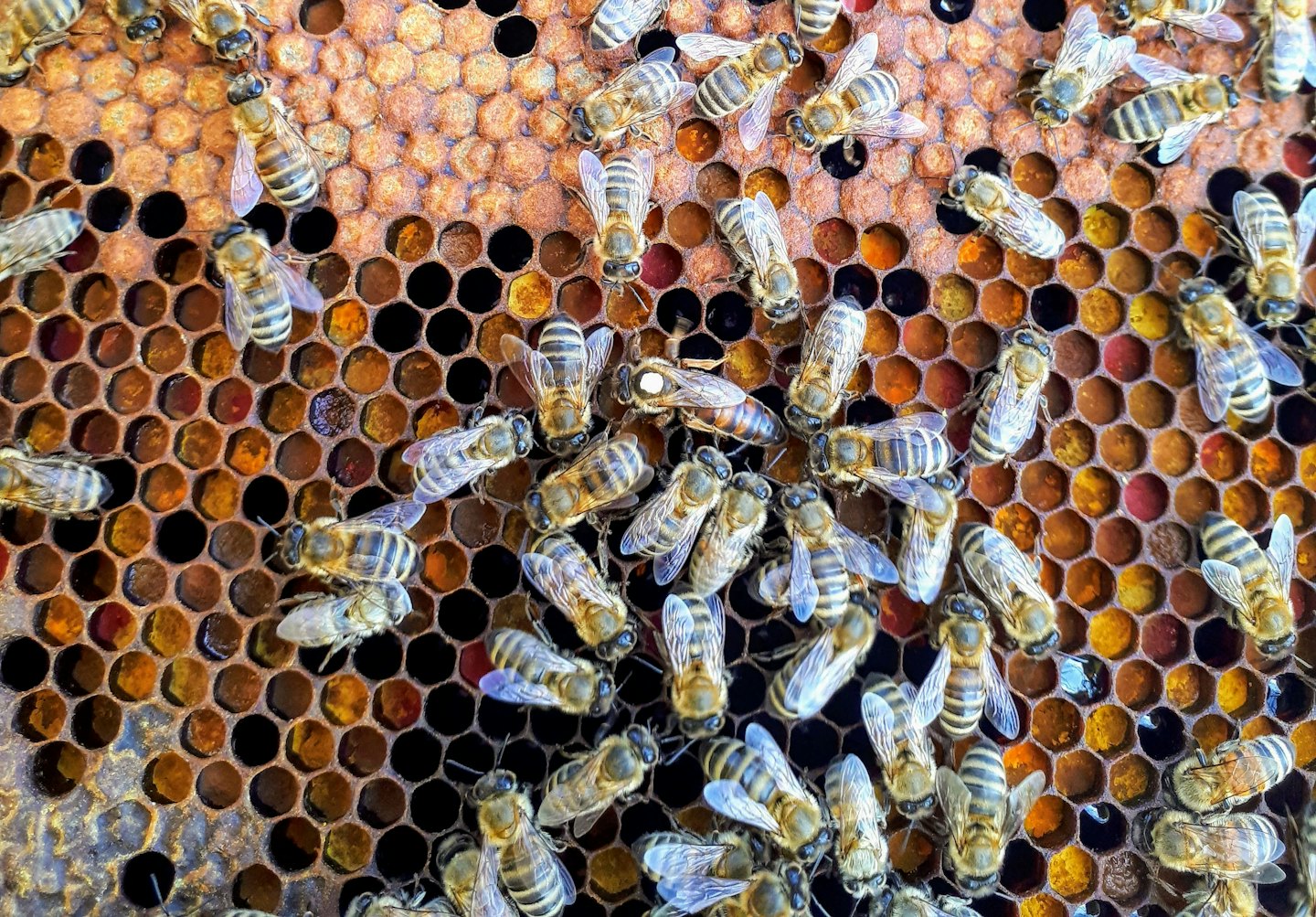
Ethical Bee Relocation Services as well as Hornet and Wasp Elimination
Explore how our veteran specialists expertly relocate bees while fostering community education and engagement.
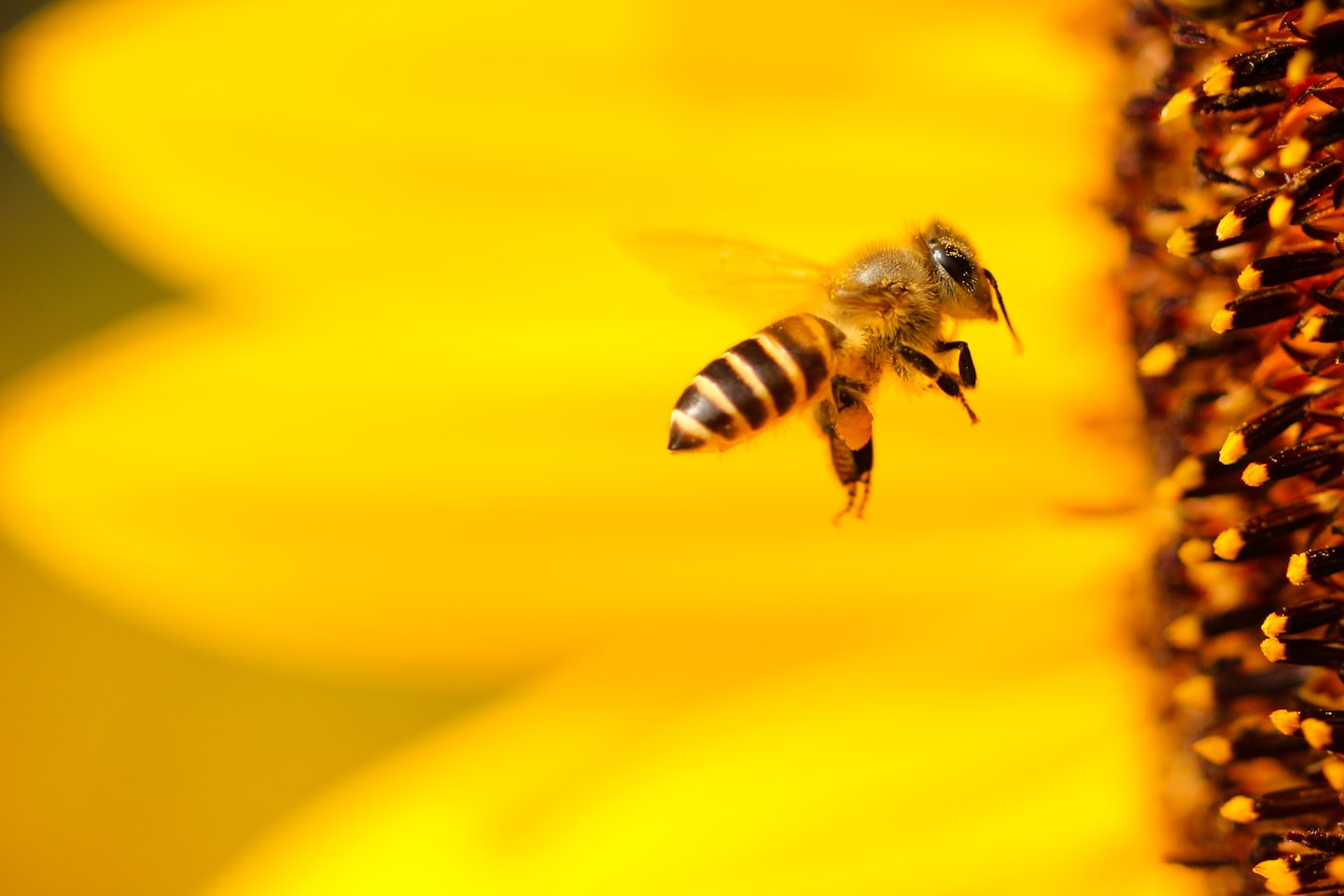
Bee Relocation
Expertly moving bee colonies to safe environments, protecting both bees and communities.
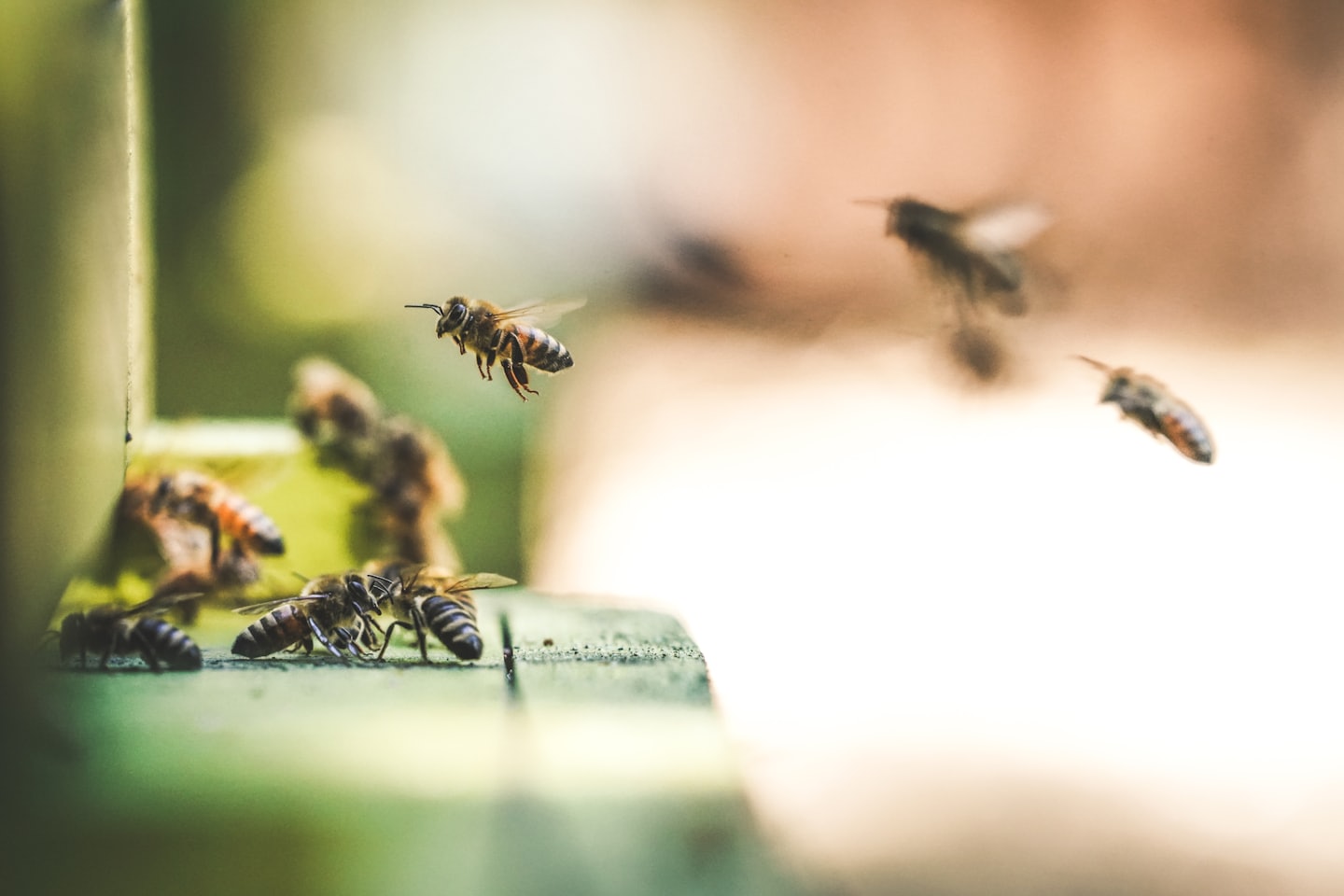
Veteran Training Programs
Providing comprehensive training to veterans, empowering them as skilled bee relocation experts.
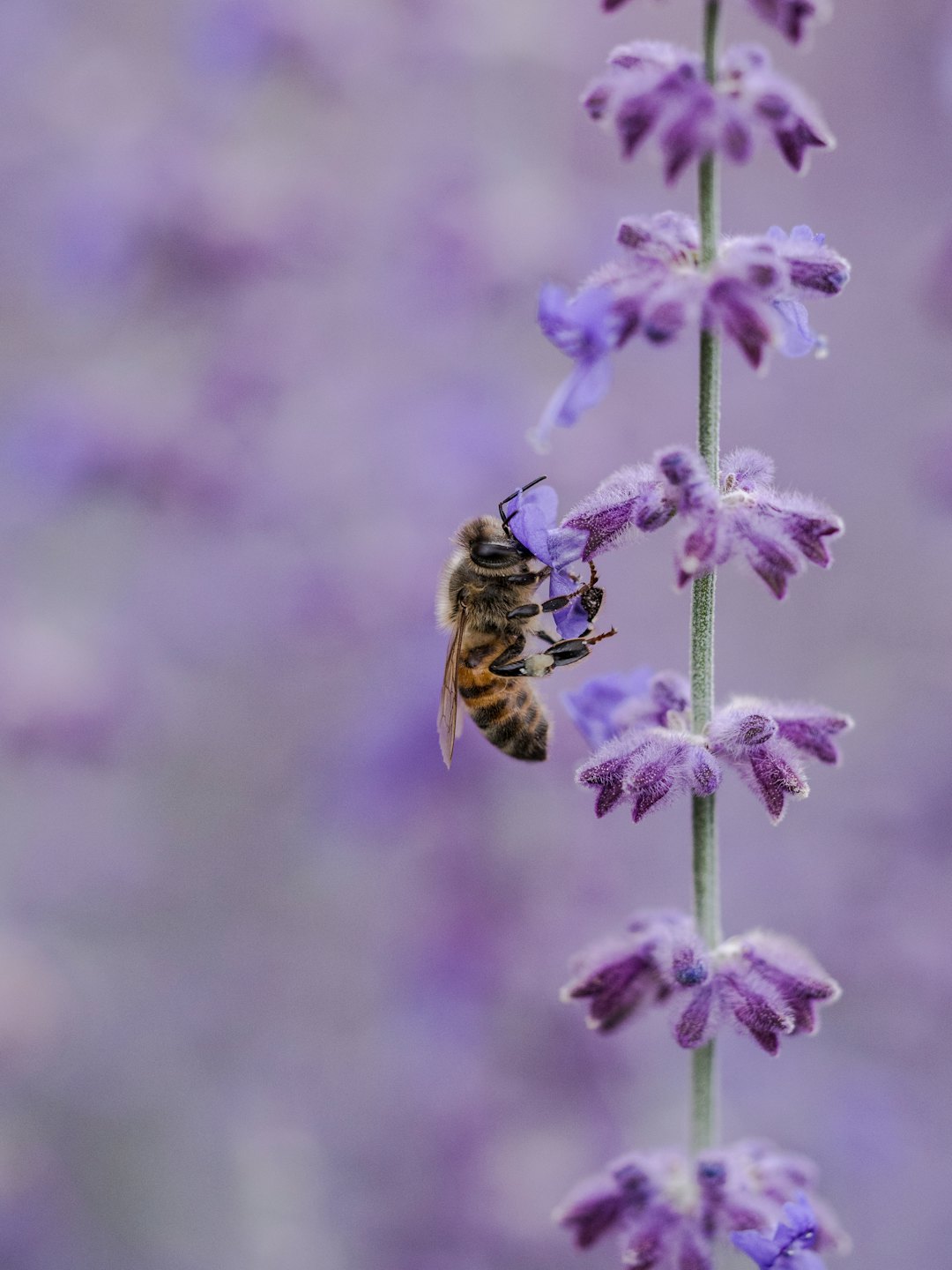
Community Education
Offering workshops and resources to raise awareness about bee conservation and ethical practices.

Wasp/Hornet Destruction
Expertly identifying the type and species of wasp or hornet and treating the nest taking great care not to harm surrounding wildlife.
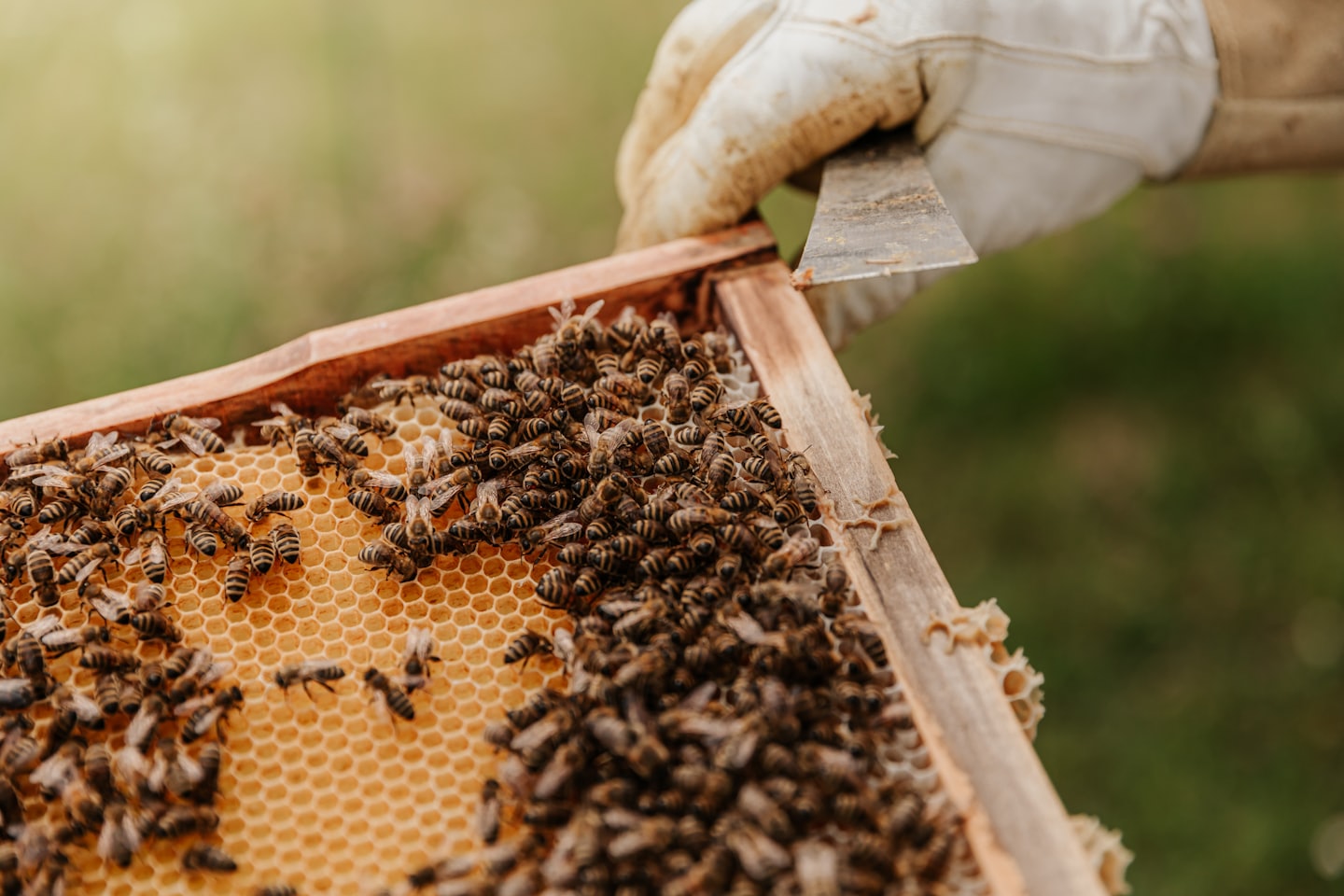
Partnership Opportunities
Collaborating with schools and corporations to support conservation and veteran empowerment initiatives.
How Hornets and Wasps Threaten the Bee Population
Bees are vital pollinators, essential for the health of ecosystems and agriculture worldwide. However, their populations face numerous threats, one significant danger being predation and competition from hornets and wasps. Understanding how these insects affect bees is crucial for developing strategies to protect and preserve bee colonies.
Hornets and wasps belong to the same order as bees, Hymenoptera, but they have different behaviors and ecological roles. While many wasps and hornets are predators or scavengers, bees primarily gather nectar and pollen. Despite their differences, hornets and wasps can severely impact bee populations in several ways:
- Direct Predation
Hornets, especially species like the Asian giant hornet (Vespa mandarinia), are known as “bee killers.” They attack bee colonies to hunt adult bees and larvae for food. A single hornet can kill dozens of bees in a short time, often decimating entire hives if left unchecked. Their large size and powerful mandibles make them formidable predators. - Nest Raiding
Hornets and some wasps invade bee nests to steal honey and brood. This not only reduces the food stores of the bee colony but also destroys developing bees. The loss of brood means fewer new bees to replace aging workers, weakening the colony’s ability to survive and produce offspring. - Competition for Resources
Wasps and hornets compete with bees for nectar and pollen. During times of scarcity, this competition can stress bee colonies, reducing their foraging efficiency and overall health. Wasps may also defend food sources aggressively, preventing bees from accessing vital resources. - Spread of Disease
When hornets and wasps invade bee colonies, they can introduce pathogens and parasites. The stress caused by predation and resource competition can make bees more susceptible to diseases, further endangering their survival. - Impact on Pollination
As hornets and wasps reduce bee populations, the pollination services bees provide decline. This affects plant reproduction, crop yields, and biodiversity. The ecological and economic consequences of diminished bee populations are significant.
Mitigation and Protection
To protect bee populations from hornets and wasps, several measures can be implemented:
- Monitoring and Early Detection: Beekeepers should regularly inspect hives for signs of hornet or wasp activity.
- Physical Barriers: Installing entrance reducers or protective screens can limit hornet access to hives.
- Trapping and Removal: Traps specifically designed for hornets and wasps can reduce their numbers near apiaries.
- Habitat Management: Encouraging natural predators of hornets and wasps and maintaining diverse habitats can help control these populations.
Conclusion
Hornets and wasps pose a serious threat to bees through predation, competition, and disease transmission. Protecting bees from these threats is essential for maintaining healthy ecosystems and agricultural productivity. Awareness and proactive management are key to safeguarding the vital role that bees play in our environment.
Hives for hero’s offer wasp and hornet nest destruction using the most humane methods available. All Hero’s are trained in the safe and effective chemical procedures to eliminate these destructive nest as quickly as possible.
Our Approach to Ethical Bee Relocation
Discover how our veteran specialists carefully relocate bees, engage with communities, and support conservation efforts every step of the way.

Step One: Connect and Learn
Begin by reaching out to our team to schedule a consultation and learn about safe, ethical bee relocation and veteran involvement.

Step Two: Expert Relocation
Our trained veterans safely relocate bee colonies, ensuring minimal stress to bees and maximum community benefit.

Step Three: Volunteer and Partner
Join us through volunteering or partnerships to support ongoing bee conservation and veteran empowerment programs.
Join Us in Protecting Bees and Empowering Veterans
Discover how our ethical bee relocation and veteran support programs make a difference. Volunteer, partner, or learn more to contribute to conservation and community impact.